

Long Beach Naval Shipyard Asbestos Exposure
Long Beach Naval Shipyard Asbestos Exposure and Mesothelioma Claims


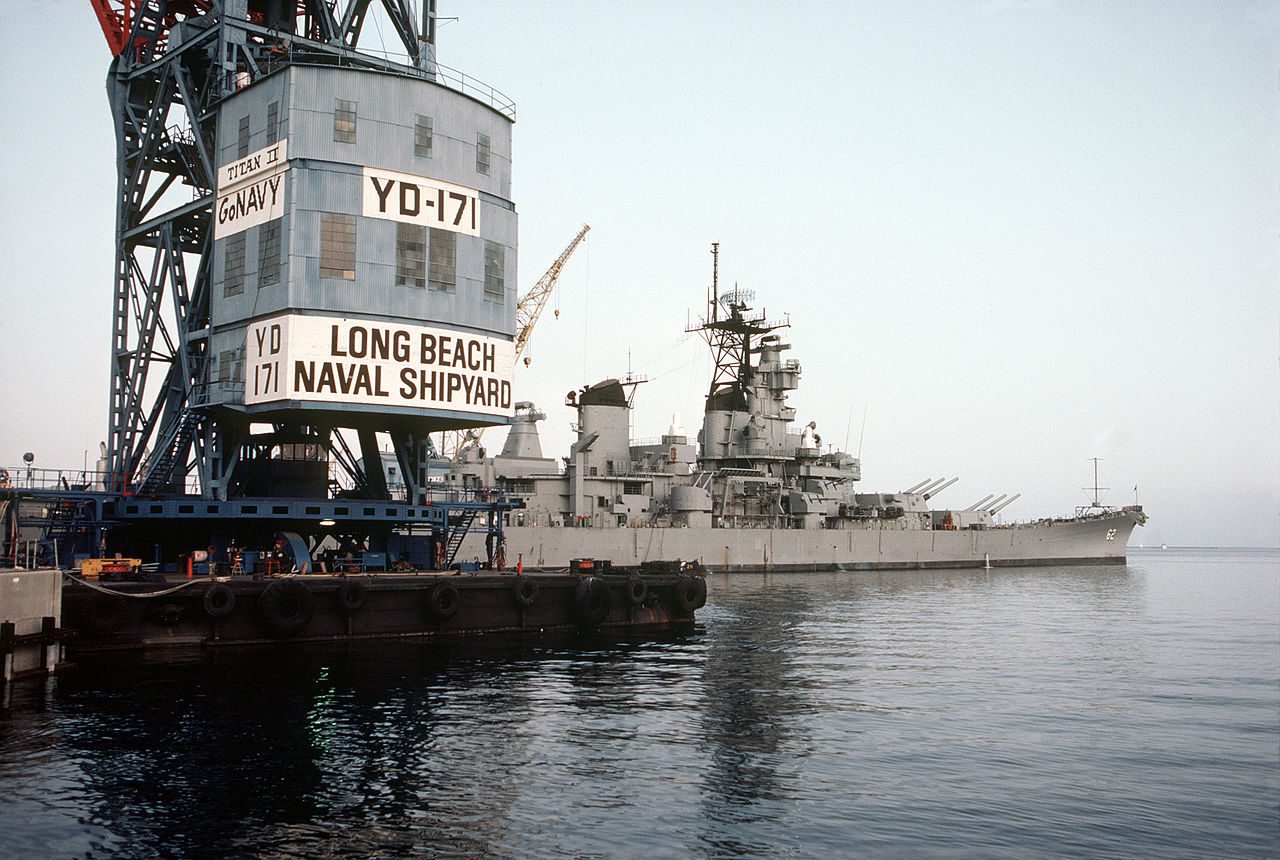
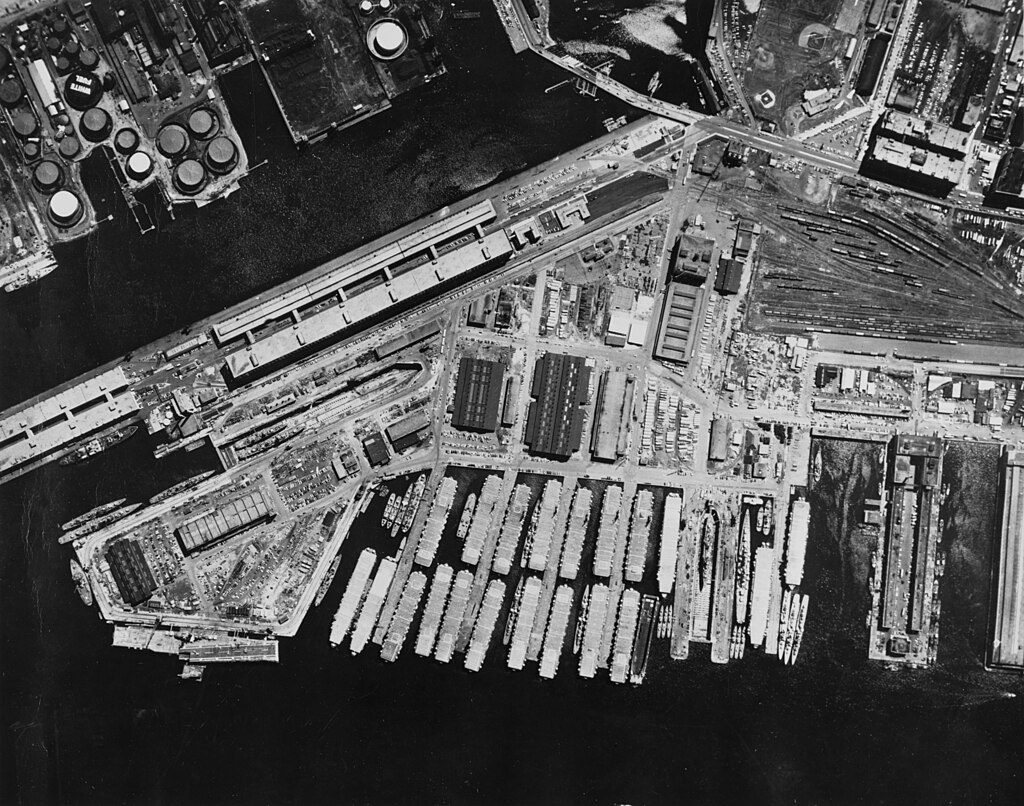
Historical Background of Asbestos Use at the Long Beach Naval Shipyard
Operations and Timeline
Extensive Asbestos Use at the Facility
Asbestos was used extensively in:
What Our Clients Say About Working With SWMW Law


Call For a FREE Consultation
SWMW Law is dedicated to helping victims and families in the fight against corporations that care more about profits than people. Comprised of award-winning attorneys, our team has helped clients take on powerful defendants in courts across the country and has helped countless victims and families secure the justice and compensation they deserved.
If you have questions about an asbestos claim involving work in the shipyard industry, call 844-857-SWMW.
Common Job Duties That Led to Asbestos Exposure
High-Risk Occupations and Time Periods
Production vs. Non-Production Workers
Job Titles & Dates Impacted
| Occupation | Dates Impacted | Explanation |
|---|---|---|
| Pipefitters and insulators | 1940s‑late 1970s (some repairs continued into 1980s). | Cut, fitted and repaired asbestos‑covered pipes, boilers and turbines; often removed old insulation during overhauls. Studies cited by the International Journal of Environmental Research and Public Health report that removal operations at LBNS measured 40–150 f/cc. |
| Boilermakers and Machinists | 1950s‑1980s (Carpenter case demonstrates exposures through mid‑1980s). | Rebuilt and maintained ship boilers, pumps and valves. A federal court case involving decedent John Carpenter, who worked as a marine machinist at LBNS from 1973 to 1984, described co‑workers witnessing him repack or replace valves and gaskets with asbestos‑containing packing. |
| Welders and Shipfitters | 1960s‑1980s; exposures documented through removal projects. | Welded hulls, cut asbestos‑insulated steel and used fire blankets containing asbestos. A 2025 news report about Collie Washington Jr., a former civilian welder, notes he handled “asbestos‑contaminated materials” at LBNS and later developed lung cancer. |
| Electricians and and insulator helpers | 1940s‑1980s. | Installed or repaired wiring and insulation in engine rooms; often worked alongside pipefitters without protective equipment, leading to bystander exposure. |
| Engine mechanics and plumbers | 1960s‑1990s (shipyard closed 1997). | Maintained pumps, blowers and plumbing systems. Veterans’ testimony in a 2019 VA Board decision describes post‑service work as a marine machinist removing pumps and blowers at LBNS and acknowledging asbestos presence. |
Comprehensive Health Study Results
Long-Term Health Consequences
Recent research indicates that Long Beach Naval Shipyard employment significantly increased workers’ risk for a wide variety of cancers, including asbestos-related malignancies. Veterans and workers face ongoing health risks decades after exposure, as mesothelioma and other asbestos diseases typically develop 20-50 years after initial exposure.
Common asbestos-related diseases among shipyard workers include:
- Malignant mesothelioma (cancer of organ linings)
- Asbestos lung cancer
- Asbestosis (lung scarring disease)
- Pleural plaques and other respiratory conditions
Studies show that shipyard workers die from asbestos diseases 16 times more often than people in other jobs. The Environmental Working Group has projected approximately 40,000 veteran casualties due to asbestos-related diseases, with Navy veterans comprising the largest affected group.
Notable Lawsuits, Verdicts, and Settlements
Significant Legal Cases
Trust Fund Claims
Many asbestos manufacturers have established bankruptcy trust funds containing over $30 billion for victim compensation.
Long Beach Naval Shipyard workers may be eligible to file claims with multiple trust funds, as the facility used products from numerous manufacturers including Johns Manville, Owens Corning/Fireboard Corp., and W.R. Grace & Co.
Statue of Limitations Considerations
California State Law Requirements
Personal Injury Claims:
California Civil Code §340.2 establishes a unique statute of limitations for asbestos-related personal injury claims:
- One year from the date of diagnosis, OR
- One year from when the victim knew or reasonably should have known through reasonable diligence that the disability was caused by asbestos exposure
- “Disability” is defined as losing time from work to the extent that it affects ability to perform regular occupation
Wrongful Death Claims:
For wrongful death claims in California:
One year from when family members first knew or should have known through reasonable diligence that the death was caused by asbestos exposure
One year from the date of death, OR
Federal Maritime Claims
Jones Act Claims:
For maritime workers who qualify as “seamen” under the Jones Act:
- Three years from the date of injury or qualifying event (46 U.S.C. § 30106)
- Exception for occupational diseases: Three years from date symptoms were discovered, not from initial exposure
- Applies to workers who spent 30% or more of their time on vessels “in navigation”
Longshore and Harbor Workers’ Compensation Act (LHWCA):
- May be extended if good reason for delay is proven
- Three years from the accident that caused injury or illness
Examples of Our Results
Critical Timing Considerations
Key factors affecting filing deadlines:
- Trust fund claims may have separate deadlines from lawsuits
- Discovery rule may extend deadlines if exposure source was unknown
- Multiple exposure sites may allow filing in different jurisdictions
- Federal vs. state law may apply depending on employment status

Phase 1: Initial Consultation and Case Evaluation
- Step 1: Contact Specialized Attorney
- Schedule a free case review with our experienced mesothelioma attorneys
- Discuss diagnosis, prognosis, and exposure history
- Bring medical records and any employment documentation
- Step 2: Legal Assessment
- Attorney evaluates case merits and potential defendants
- Determines applicable statutes of limitations
- Identifies best jurisdiction for filing

Phase 2: Investigation and Documentation
- Step 3: Gather Evidence
- Collect comprehensive medical records showing asbestos-related disease
- Document detailed employment history at Long Beach Naval Shipyard
- Obtain military service records and ship assignments
- Research specific asbestos products used during employment period
- Step 4: Product Identification
- Identify manufacturers of asbestos-containing products
- Utilize naval archives and equipment records
- Interview former coworkers and shipmates
- Cross-reference with asbestos product databases

Phase 3: Legal Filing and Discovery
- Step 5: File Claims
- File personal injury or wrongful death lawsuit in appropriate court
- Submit claims to relevant asbestos trust funds
- Ensure compliance with all statutory deadlines
- Step 6: Discovery Process
- Exchange evidence with defendants
- Participate in depositions (video testimony)
- Provide detailed testimony about exposure circumstances
- Review corporate documents and safety records

Phase 4: Resolution
- Step 7: Settlement Negotiations
- Most cases (90%+) settle before trial
- Negotiations typically take weeks to months
- Multiple defendants may settle at different times
- Step 8: Trial or Final Settlement
- If settlement unsuccessful, proceed to trial
- Jury selection, evidence presentation, verdict
- Appeals process may delay final compensation
Unique Challenges in Long Beach Naval Shipyard Cases
Complex Product Identification:
Long Beach Naval Shipyard cases require extensive investigation to identify specific asbestos products used during different time periods. As experienced mesothelioma attorneys we maintain detailed databases of naval equipment, ship blueprints, and manufacturer records spanning decades of shipyard operations.
Multiple Defendant Litigation:
These cases typically involve numerous defendants, as the shipyard used products from dozens of asbestos manufacturers. We have established relationships and litigation history with major asbestos companies, improving settlement negotiations.
Federal vs. State Law Complexity:
Long Beach Naval Shipyard cases may involve federal maritime law (Jones Act), state personal injury law, military contractor defenses, and government immunity issues.
SWMW Law is equipped to navigate and streamline federal and California maritime venues for Long Beach Naval personnel.
Resources Required for Success
Extensive Evidence Databases:
We maintain warehouses of asbestos evidence, including:
- Medical expert networks and specialized pathologists
- Naval archives and ship construction records
- Product identification databases spanning 70+ years
- Corporate documents showing knowledge of asbestos dangers
Financial Resources for Litigation:
Experienced firms have litigation history with major asbestos defendants, creating leverage in settlement negotiations. Companies are more likely to offer reasonable settlements to avoid facing firms with proven trial success.
Specialized Knowledge Areas
Military Service Documentation:
Long Beach Naval Shipyard mesothelioma lawyers understand military records systems, ship assignments, and how to locate former shipmates through muster rolls and reunion committees.
Naval Construction Standards:
These cases require understanding of naval construction practices, equipment specifications, and how asbestos was integrated into ship systems during different historical periods.
Dual Benefit Coordination:
Specialized attorneys help veterans coordinate VA disability benefits with legal settlements, ensuring maximum compensation without benefit conflicts.
Frequently Asked Questions
Our Asbestos Mesothelioma Lawyers Receive
Because we are different

Decades of
Experience
Our team is comprised of dozens of highly talented and experienced attorneys ready to fight for your best outcome.

Thousands of Clients Represented
Over the course of our firm’s experience, we have helped thousands of victims and their families recover life-changing verdicts and settlements.

Nationwide
Representation
We come to you wherever you are in the United States.

Resources + Personal Attention
A senior partner of our firm will be involved in your case, utilizing a team approach with massive resources uniquely applied to your case.