
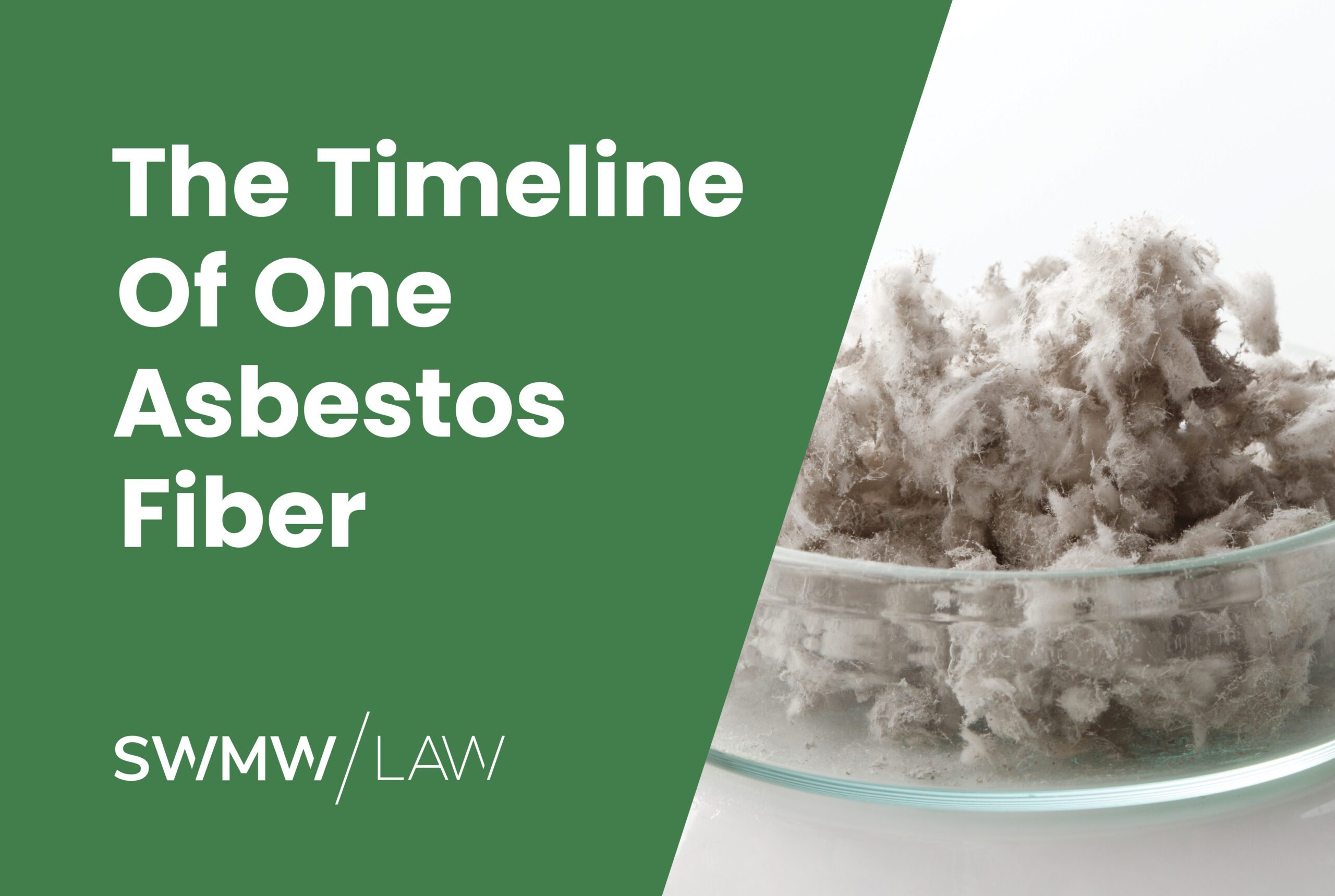
When people think about asbestos exposure, they often picture a dusty construction site, a shipyard, or an aging factory. What they don’t picture is the microscopic asbestos fiber itself. Invisible to the naked eye, these tiny fibers are incredibly light, incredibly durable, and capable of remaining airborne for hours after they are disturbed. Once inhaled, they can remain in the body for decades, quietly causing damage that may not become apparent until 20, 30, or even 50 years later.
The story of asbestos-related disease is often told through statistics or medical explanations. But behind every diagnosis is a much more remarkable journey, one that begins long before a person ever steps onto a job site. To understand how asbestos exposure occurs, it helps to follow the life of just one microscopic fiber.
Hidden Beneath the Earth’s Surface
Our story begins millions of years before the first factory was built or the first Navy ship set sail. Asbestos is a naturally occurring mineral that forms deep within the earth under intense heat and pressure. Over time, geological processes create long, thin fibers that become embedded within layers of rock.
For countless generations, these fibers remained undisturbed beneath the earth’s surface. They posed no danger to people because they were locked safely within solid rock. It wasn’t until humans discovered their remarkable physical properties that their journey truly began.
Unlike many other minerals, asbestos is resistant to heat, fire, electricity, and chemical corrosion. It is also incredibly strong while remaining flexible enough to be woven into fabrics or mixed into construction materials. During the late 1800s and throughout much of the 20th century, these characteristics made asbestos one of the most valuable industrial materials in the world. Manufacturers often referred to it as the “miracle mineral” because it seemed to solve countless engineering problems.
From Mine to Manufacturing Plant
As industrial demand grew, asbestos mines around the world began extracting enormous quantities of the mineral. Massive machines fractured rock that had remained untouched for millions of years, releasing countless microscopic fibers into the air. Those fibers were then separated from the surrounding stone, processed, packaged, and shipped across the globe.
Our single asbestos fiber eventually arrives at a manufacturing plant in the United States, where it is combined with other materials to create insulation designed for industrial steam pipes. It could just as easily have become part of a ceiling tile, roofing material, boiler insulation, floor tile, cement product, brake lining, gasket, or hundreds of other products that relied on asbestos for its heat-resistant qualities.
At this point in its journey, no one considers the fiber dangerous. It is simply another ingredient in a product that engineers, architects, and builders trust. Workers handle these materials every day without protective equipment because few understand the long-term health consequences associated with inhaling asbestos fibers.
Decades of Waiting
Once installed, the insulation performs exactly as intended. It surrounds steam pipes inside a power plant, helping regulate temperature and protect equipment. For years, the building operates normally. Workers arrive each morning, perform their jobs, and return home at the end of their shifts. The insulation remains hidden behind walls and wrapped around machinery, rarely attracting anyone’s attention.
During this time, our asbestos fiber remains completely undisturbed. It is sealed within the insulation and poses little immediate risk. This is an important distinction that often surprises people today. Materials containing asbestos are generally not hazardous simply because they exist. The greatest danger occurs when those materials are cut, drilled, sanded, broken, or otherwise disturbed, allowing microscopic fibers to escape into the air.
A Routine Repair Changes Everything
Nearly 30 years later, maintenance crews are assigned to replace part of the aging steam system. To access the pipe, a mechanic must remove the old insulation surrounding it. As the material is cut and pulled away, it begins to crumble into dust.
Although the worker notices the dust, there is nothing unusual about the task. Repairs like this have been performed thousands of times before. What cannot be seen are the thousands of microscopic asbestos fibers now floating through the air.
Among them is our single fiber.
Because asbestos fibers are incredibly small and lightweight, they can remain suspended for extended periods, allowing them to travel throughout a work area. Workers nearby continue performing their duties, unaware that they are breathing in fibers with every breath.
The Journey Doesn’t End at the Workplace
When the workday is over, the mechanic brushes dust from his clothing before climbing into his truck. While some fibers fall away, many remain embedded in the fabric of his shirt, jeans, and work jacket. Our tiny fiber clings to the sleeve of his shirt as he drives home to his family.
That evening, his children greet him with hugs, and he places his work clothes in the laundry basket before sitting down to dinner. The day feels perfectly ordinary, but the asbestos fiber has now entered a completely different environment.
The following morning, a family member shakes out the dusty work shirt before placing it in the washing machine. The motion sends fibers back into the air, creating an opportunity for what is known as secondary asbestos exposure. Family members who never worked around asbestos themselves could unknowingly inhale fibers brought home on contaminated clothing, shoes, or tools.
One Breath That Can’t Be Taken Back
Eventually, our fiber becomes airborne again.
Someone nearby takes a breath.
The fiber enters the respiratory system and travels deep into the lungs. Unlike ordinary dust particles that the body can often remove, asbestos fibers are remarkably durable. Their needle-like shape makes them difficult for the body’s natural defense mechanisms to break down or eliminate completely.
Instead, the fiber remains lodged within lung tissue or the lining surrounding the lungs. Over time, repeated exposure to many fibers – not just one – can lead to chronic inflammation, scarring, and genetic damage to nearby cells. Scientists believe these long-term biological changes can eventually contribute to the development of diseases such as mesothelioma and asbestos-related lung cancer.
The Long Silence
Perhaps the most remarkable aspect of asbestos-related disease is how long it can remain hidden.
Years pass without symptoms. Workers change jobs, retire, travel, celebrate anniversaries, watch grandchildren grow, and enjoy life without ever suspecting that fibers inhaled decades earlier remain inside their bodies.
For many people, the latency period between exposure and diagnosis lasts between 20 and 50 years. That extraordinarily long delay is one reason asbestos-related diseases are so often diagnosed after retirement. By the time symptoms such as persistent coughing, shortness of breath, chest pain, or fatigue begin to appear, the original exposure may feel like a distant memory.
Many patients initially struggle to understand how something that happened decades ago could still affect their health today. Yet this prolonged latency is one of the defining characteristics of asbestos-related illnesses.
Looking Back to Move Forward
After receiving a diagnosis, many families begin retracing the past. Old photographs, military records, union membership cards, employment records, and conversations with former coworkers suddenly become incredibly important. Jobs that once seemed insignificant may reveal years of asbestos exposure that no one recognized at the time.
This process often answers questions families have carried for months. It explains why someone who retired decades earlier is now facing a serious illness and can help identify the workplaces, products, or occupations where exposure likely occurred.
Every Diagnosis Has a Beginning
Although this story followed only one asbestos fiber, the reality is that workers often inhaled thousands or even millions of fibers over the course of their careers. Pipefitters, electricians, Navy veterans, refinery workers, railroad employees, mechanics, construction workers, and countless others performed their jobs believing the materials around them were safe. Many had no idea they were being exposed to a substance that could affect their health decades later.
At SWMW Law, we’ve spent years helping families uncover those forgotten chapters of their lives. By reconstructing work histories, identifying asbestos-containing products, and tracing exposures that occurred decades ago, we’ve helped clients better understand how their diagnosis came to be.
Every case begins with a person, a career, and a lifetime of hard work. But long before the diagnosis, before the doctor’s appointment, and before the first symptom appeared, the story often began with something so small it could never be seen – a single microscopic asbestos fiber.