
How to File a Depo-Provera Lawsuit

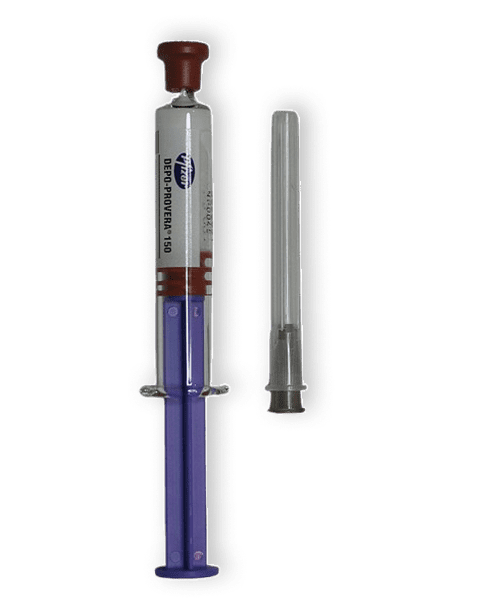
Your Step-by-Step Guide to Filing a Depo-Provera Brain Tumor Claim
This page is here to help. Filing a Depo-Provera lawsuit does not have to be complicated, and you do not have to figure it out alone.
Here is what you will learn:
- Who qualifies to file a claim
- What the step-by-step process looks like
- What evidence and documents you will need
- How long the process takes
- What kind of compensation may be available
- And how SWMW Law can help, no matter where you live
Who Qualifies to File a Depo-Provera Lawsuit?
You Used a Qualifying Product
You received injections of Depo-Provera CI, Depo-SubQ Provera 104, or an authorized generic version containing medroxyprogesterone acetate (MPA). Most qualifying claims involve women who received injections for 12 months or longer (four or more doses), though some cases with shorter use may still be eligible depending on the circumstances.
You Have a Qualifying Diagnosis
You have been diagnosed with an intracranial meningioma, a type of tumor that grows in the lining of the brain. This diagnosis is typically confirmed through an MRI, CT scan, or pathology report. Meningiomas of any WHO grade (Grade 1, 2, or 3) may qualify, whether or not the tumor required surgical removal.
Your Use and Diagnosis Are Connected
Your legal team and medical experts will work together to establish the connection between your Depo-Provera use and your meningioma diagnosis. A landmark 2024 study published in The BMJ found that women who used Depo-Provera long-term faced a 5.55 times higher risk of developing intracranial meningiomas. A 2025 study in JAMA Neurology confirmed a 2.43 times increased risk among U.S. patients.
Common Questions About Eligibility
What if I stopped using Depo-Provera years ago? You may still qualify. Meningiomas are slow-growing tumors. Many women are diagnosed years or even decades after their last injection.
What if I used a generic version? Authorized generic versions of Depo-Provera are included in the litigation. If the product contained medroxyprogesterone acetate, you may be eligible to file a claim.
What if I have symptoms but no diagnosis yet? If you used Depo-Provera long-term and are experiencing persistent headaches, vision changes, seizures, or cognitive difficulties, talk to your doctor and request imaging. Once a diagnosis is confirmed, contact an attorney to discuss your legal options.
Can family members file? Yes. If a loved one passes away from complications related to a meningioma linked to Depo-Provera use, surviving family members may be able to file a wrongful death claim.

How to File a Depo-Provera Lawsuit: Step by Step

Contact a Depo-Provera Attorney
The process starts with a free, confidential case evaluation. You will speak with an attorney who reviews your medical history and injection timeline to determine whether you have a case. Bring whatever records you have, but do not worry if you are missing some. Your legal team can help fill in the gaps.
At SWMW Law, consultations are always free, and there are no fees unless we recover compensation for you.

Gather Medical and Injection Records
Your legal team will help you collect and organize the documentation needed to support your claim. This typically includes:
- Injection records showing dates, dosage, and provider locations
- MRI or CT scans confirming your meningioma diagnosis
- Pathology reports from any biopsies or surgeries
- Surgical and treatment records if a tumor was removed or treated
- Neurological evaluations documenting symptoms and their progression
- Pharmacy and insurance records confirming prescriptions
Most women do not have all of these records readily available. That is completely normal. Your attorney will sign HIPAA authorization forms that allow the legal team to request records from your doctors, pharmacies, and insurance providers on your behalf.

Your Legal Team Investigates the Claim
Your attorneys will review your injection timeline alongside your diagnosis to establish the connection between Depo-Provera and your meningioma.
They consult with medical experts, build a detailed case file, and identify the full scope of your damages, including medical costs, lost income, pain and suffering, and the impact on your daily life.

Your Case Is Filed
Once the investigation is complete, your attorney files your individual lawsuit. Most federal cases are filed directly into MDL 3140 (multidistrict litigation) in the Northern District of Florida, where Judge M. Casey Rodgers is presiding over all Depo-Provera brain tumor claims. Some cases may also be filed in state courts in jurisdictions like New York, Delaware, Ohio, or Pennsylvania, depending on your situation.
Your attorney handles all paperwork, deadlines, and court filings. You do not need to travel or appear in person.

Discovery and Case Development
During this phase, Pfizer and other defendants are required to produce internal documents about what they knew regarding the meningioma risk and when they knew it.
Your attorney reviews this evidence and continues building your case. You may be asked to give a recorded statement called a deposition, which can often be completed from the comfort of your home via video.

Resolution
Many pharmaceutical cases settle before trial. The first bellwether trials in the Depo-Provera MDL are expected in late 2026, and those outcomes will likely shape settlement negotiations for the broader litigation.
Your attorney will fight for the best possible result, whether that comes through a settlement or at trial.

How Long Do You Have to File?
This second standard is called the “discovery rule,” and it is especially relevant here. Many women had no way of knowing their meningioma was connected to Depo-Provera until recently. The December 2025 FDA label update, which added a meningioma warning to Depo-Provera for the first time in the United States, may affect when the discovery clock started for some women.
Time limits vary across states like California, Texas, Florida, New York, Illinois, Pennsylvania, Ohio, Georgia, North Carolina, and Michigan. Some states also allow additional time in cases where a manufacturer concealed known risks.
The safest step is to speak with an attorney as soon as possible, even if you are not ready to commit. A free consultation can help you understand your deadline and make sure your rights are protected.
Evidence You’ll Need
Your legal team will help you collect and organize the documentation needed to support your claim. This typically includes:
- Injection records showing dates, dosage, and provider locations
- MRI or CT scans confirming your meningioma diagnosis
- Pathology reports from any biopsies or surgeries
- Surgical and treatment records if a tumor was removed or treated
- Neurological evaluations documenting symptoms and their progression
- Pharmacy and insurance records confirming prescriptions
Most women do not have all of these records readily available. That is completely normal. Your attorney will sign HIPAA authorization forms that allow the legal team to request records from your doctors, pharmacies, and insurance providers on your behalf.
Is This a Class Action?
In an MDL, each woman files her own individual lawsuit. The cases are grouped together for pretrial work, like shared discovery and key legal rulings, but every plaintiff’s case remains separate. That means your compensation is based on your specific diagnosis, treatment, and damages, not a one-size-fits-all payout.
What Compensation Can You Seek?
- Medical expenses, including brain surgery, radiation therapy, imaging, medications, and ongoing monitoring
- Lost wages and future income, for time missed from work or reduced earning capacity due to neurological effects
- Pain and suffering, for the physical and emotional toll of a brain tumor diagnosis and treatment
- Loss of quality of life, for the ways a meningioma has affected your daily activities, relationships, and independence
- Funeral and burial costs, for families filing wrongful death claims
No Depo-Provera settlements have been announced as of March 2026, as the litigation is still in its pretrial phase. However, in comparable pharmaceutical mass tort cases, individual compensation has varied widely based on the severity of injury, treatment required, and individual circumstances.
Why Choose SWMW Law?
What sets us apart:
- We represent clients across the entire country, whether you live in Houston, Chicago, Los Angeles, Philadelphia, Atlanta, Dallas, Phoenix, or a small town in between.
- We work with leading neuro-oncology experts to build the strongest possible case.
- You pay nothing unless we win.
With offices in St. Louis, Missouri and Pittsburgh, Pennsylvania, our team combines national reach with the personal attention that families deserve during one of the most difficult experiences of their lives.